Your Go-To for Complete Home Solutions and Trusted Excellence
Your Go-To for Complete Home Solutions and Trusted Excellence
HVAC

By Admin,
November 13, 2025


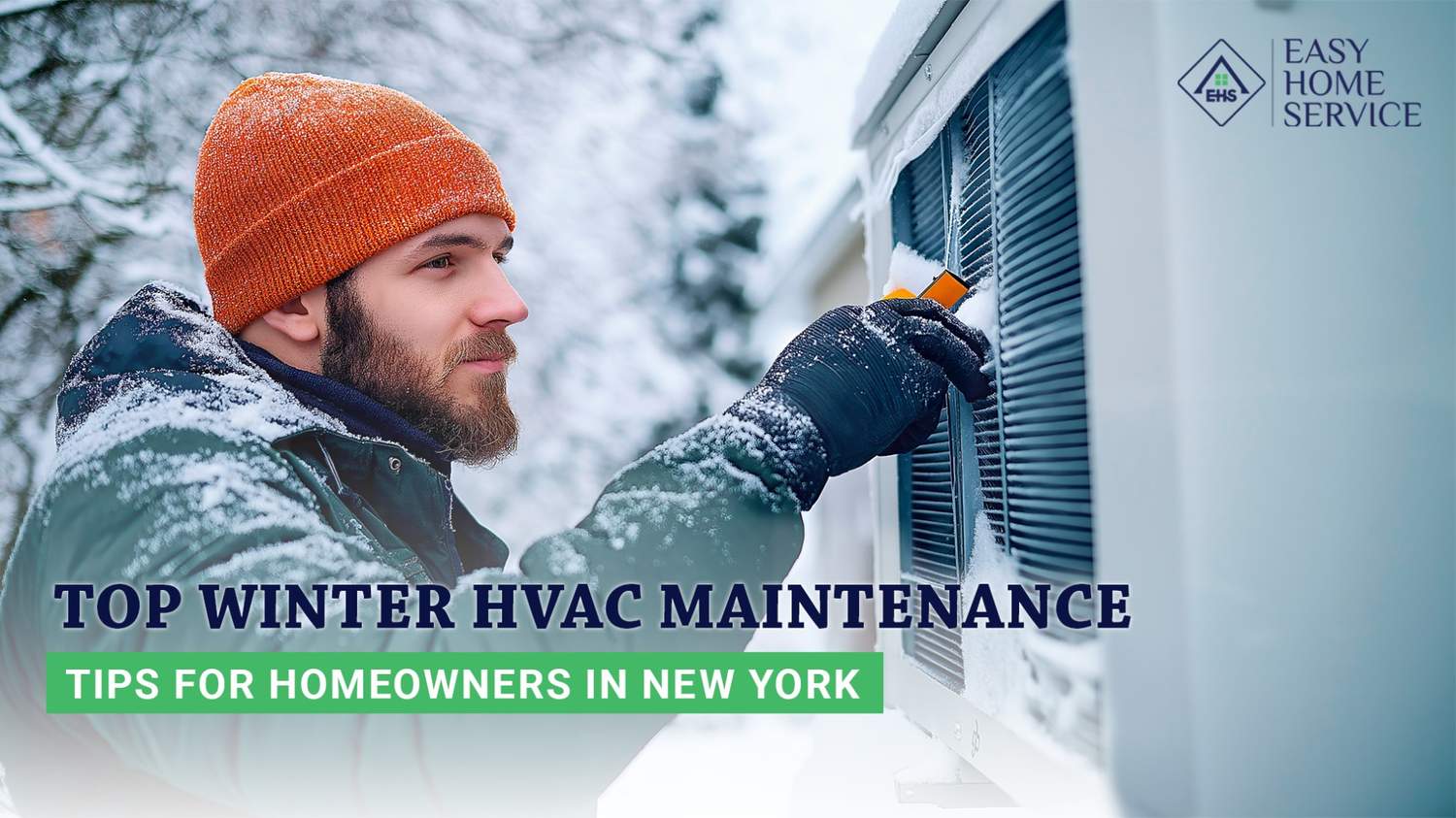
As winter approaches your HVAC system transforms into more than a mere machine. It's the one that makes your residence warm and cozy and safe when temperatures fall below the freezing point. But winter can be hard on heating systems, particularly in states like New York where Winter HVAC Maintenance are long and arduous. If you don't maintain your equipment properly even the most expensive furnaces and heat pumps may be less efficient, resulting in increased utility bills and sudden breakdowns that can leave you shaking.
To ensure you're comfortable, reduce costs and prolong the life of your HVAC system Here are the top Winter HVAC maintenance tips that every homeowner needs to follow this winter straight by the pros.
Your air filter is the HVAC system's primary line of defense. It is able to trap dust pollen, pet dander, pollen and other particles that would otherwise cause a blockage to your system. If filters become blocked or dirty airflow is limited which forces your air handler or furnace to be more efficient. This results in higher energy usage and wear on the components, and less the comfort of your home.
Clean air filters don't just shield your system from damage, but will also improve the quality of your indoor air. Clean air is less prone to allergies, helps keep surfaces clean and allows your family to get better quality air during the winter months with a closed window.
Pro tip:
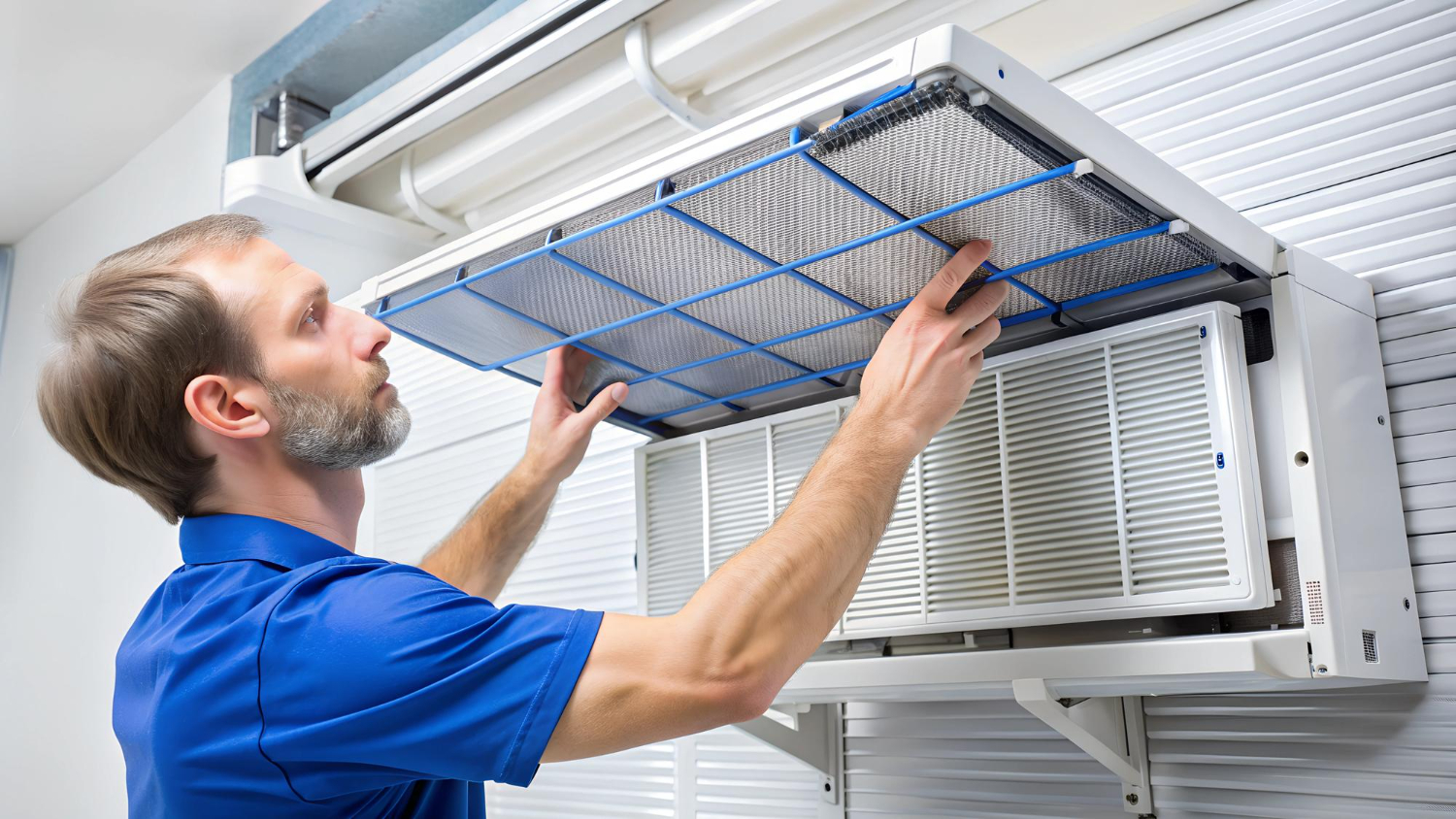
Clean air filters don't just shield your system from damage, but will also improve the quality of your indoor air. Clean air is less prone to allergies, helps keep surfaces clean and allows your family to get a better quality air during the winter months with a closed window.By keeping the vents clear in good condition, you will ensure uniform heat distribution, lessen the strain on your motor and avoid premature wear and tear on your equipment.
Quick fix:
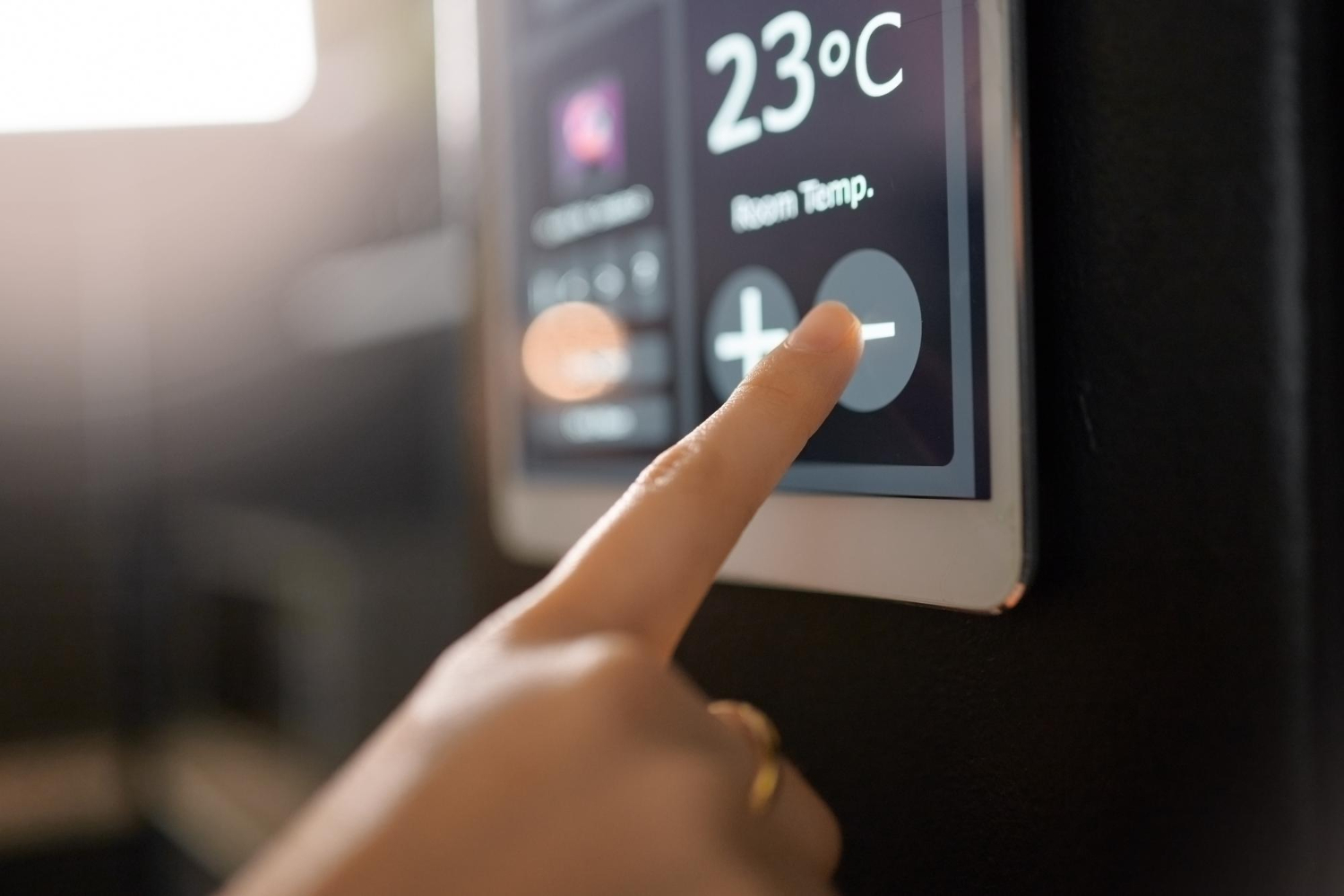
The thermostat is the central point in the HVAC system. If you set it incorrectly, it can make the home colder, wasting energy, and decrease the life of your system. In a place such as New York, Chicago, Boston, Denver, and Philadelphia where winter temperatures can change quickly, a well-managed thermostat can make a big impact on comfort and costs.
Modern smart thermostats have revolutionized the game. They recognize your preferences and automatically adjust temperature and offer insights on your usage of energy. Small adjustments can reduce heating costs by as much as 10-15% in winter, while ensuring your home is warm and efficient.
Smart move:
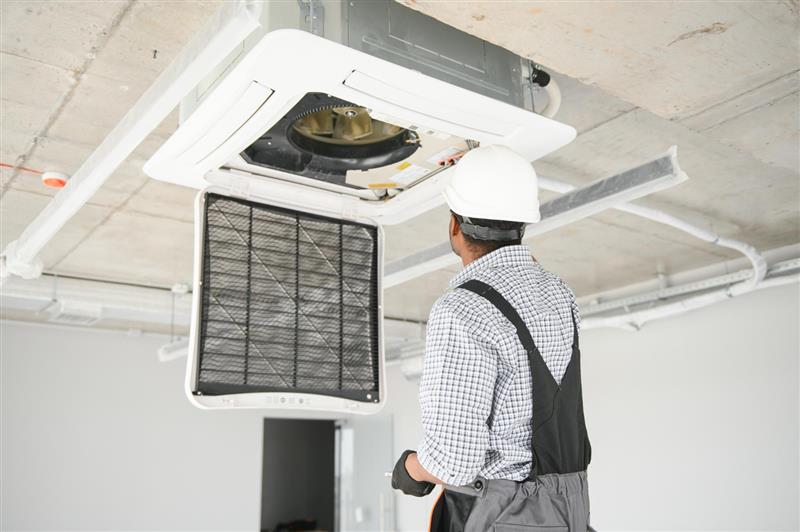
A regular tune-up is the most efficient method of preventing heating problems during the harsh New York winters. Consider it an annual check-up to your heater. Like your automobile it is the same with your HVAC. HVAC requires regular maintenance in order to ensure it is in top condition.
A modest investment in professional maintenance can prolong the life of your equipment and prevent costly breakdowns and boost the efficiency of your system by 30 percent. Technicians can also spot problems that could be causing trouble before they grow into major repairs in freezing nighttimes.
A professional HVAC Technician will:
A furnace that is the strongest will not overpower leaky insulation or leaking the ductwork. Cracks in windows, doors or attic hatches allow the heat escape, causing your furnace to run longer and more frequently to maintain warm temperatures.
A good insulation and seal can The proper insulation and sealing will help the HVAC system to keep heat inside and reduce drafty areas and help maintain a steady temperature. It is possible to save between 20 and 30 percent on heating costs by ensuring that the heat stays in the right place - inside your home.
Simple upgrades:
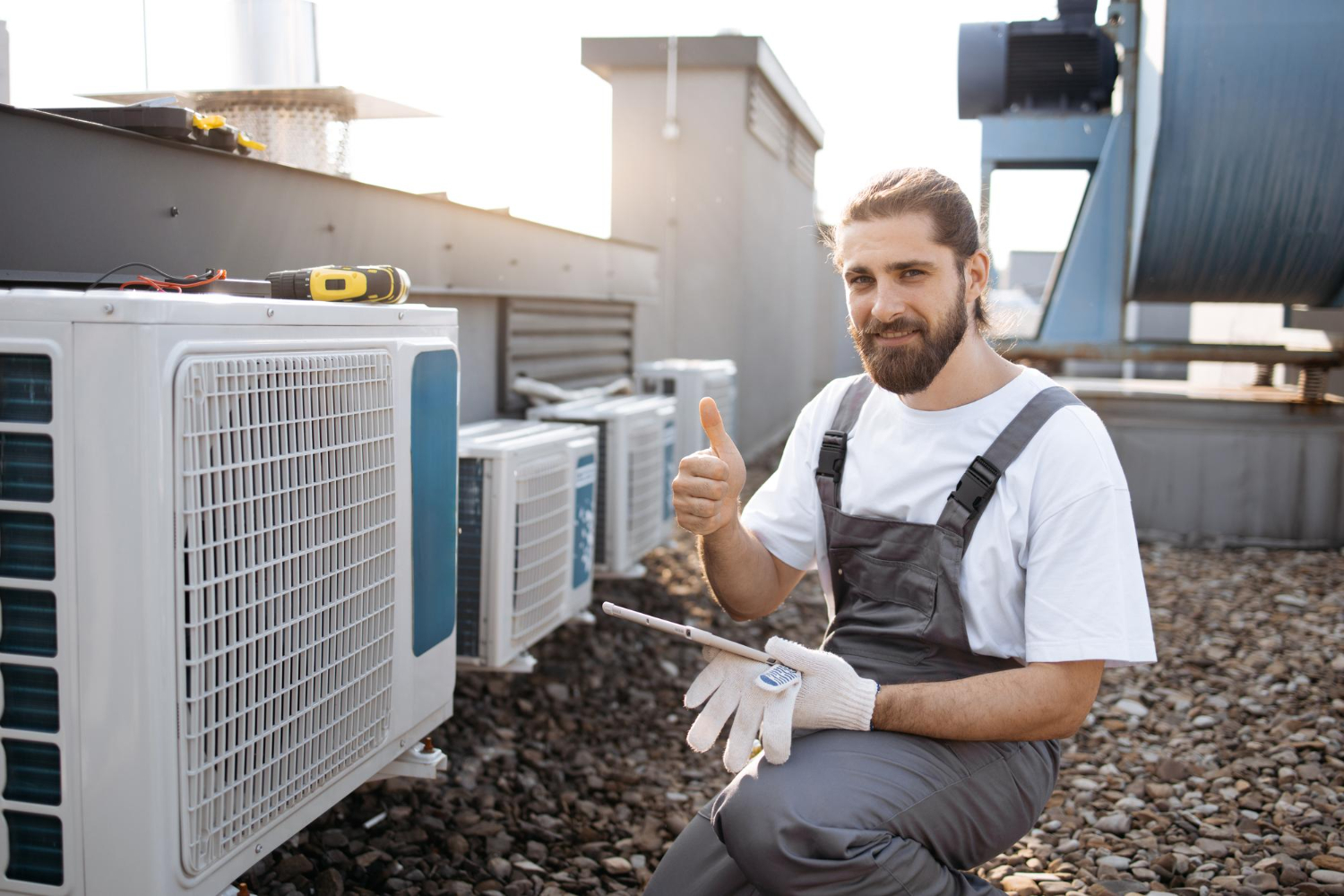
If your home is equipped with the heat pump the outdoor unit is susceptible to damage from snow and ice accumulation. When the airflow around the coil is restricted, the system's ability to absorb heat and release heat is reduced which can lead to a decrease in efficiency and even freezing.
Maintenance tip:
Test Your Carbon Monoxide Detector
For homes that have gas furnaces this step is crucial. CO (CO) is an odorless, colorless gas which can cause death in the absence of detection. Incorrect heating exchangers or vents that are blocked or damaged flues may allow CO to enter the home.
In the event that your sensor is older than seven years old, it is time to replace it right away. A functioning detector can practically save your life during the winter heating season.
Safety check:
The majority of homeowners do not realize that ceiling fans can aid in heating your home. In winter, turning the fan's blades clockwise, warm air rises to the ceiling and then back down into the living space.
How it helps:
Tip: Make sure to run the fans at low speeds in reverse for most effective results.
Explore our expert-recommended HVAC tips and get personalized guidance to keep your home warm, efficient, and comfortable this winter.
The ducts in your home are the bloodstream of your HVAC system. It disperses warmth throughout the house. In time, ducts build up dust hair, pet hair, and other debris. Small leaks can contaminate as much as 25% the heated air before it gets to the rooms.
To maintain ducts:
Dry winter air can make homes feel colder and could cause dry skin cracked lips, dry skin, or static shocks. The warping of wood can also affect flooring or furniture. A well-balanced humidity can improve air quality, comfort, and the overall feeling of your indoor surroundings.
Solution:
Your HVAC system frequently "speaks" before breaking down. Unusual sounds--rattling, banging, whistling or squealing could indicate worn or loose components worn belts or airflow problems. If you ignore them, they could cause larger, more costly issues in the future.
Pro tip:
A comfortable, warm home in winter isn't all about turning up the thermostat. It's about maintaining your HVAC system's health efficiently and securely. Regular maintenance helps prevent breakdowns, cuts down on energy use and prolongs the life of your heating system.
If you're looking to provide your HVAC the attention it deserves, contact Easy Home Service your reliable source for local HVAC experts. Our experts can handle everything from duct cleaning and inspections to emergency repairs as well as full tune-ups for your system.
Stay warm, remain secure, and have an unwinding winter thanks to Easy Home Service by your service!
Find Top Rated Service Providers
We help you find top service providers and compare quotes.








-7506.jpg)
Leave a Comment: