Your Go-To for Complete Home Solutions and Trusted Excellence
Your Go-To for Complete Home Solutions and Trusted Excellence
HVAC

By Daisy,
December 09, 2025


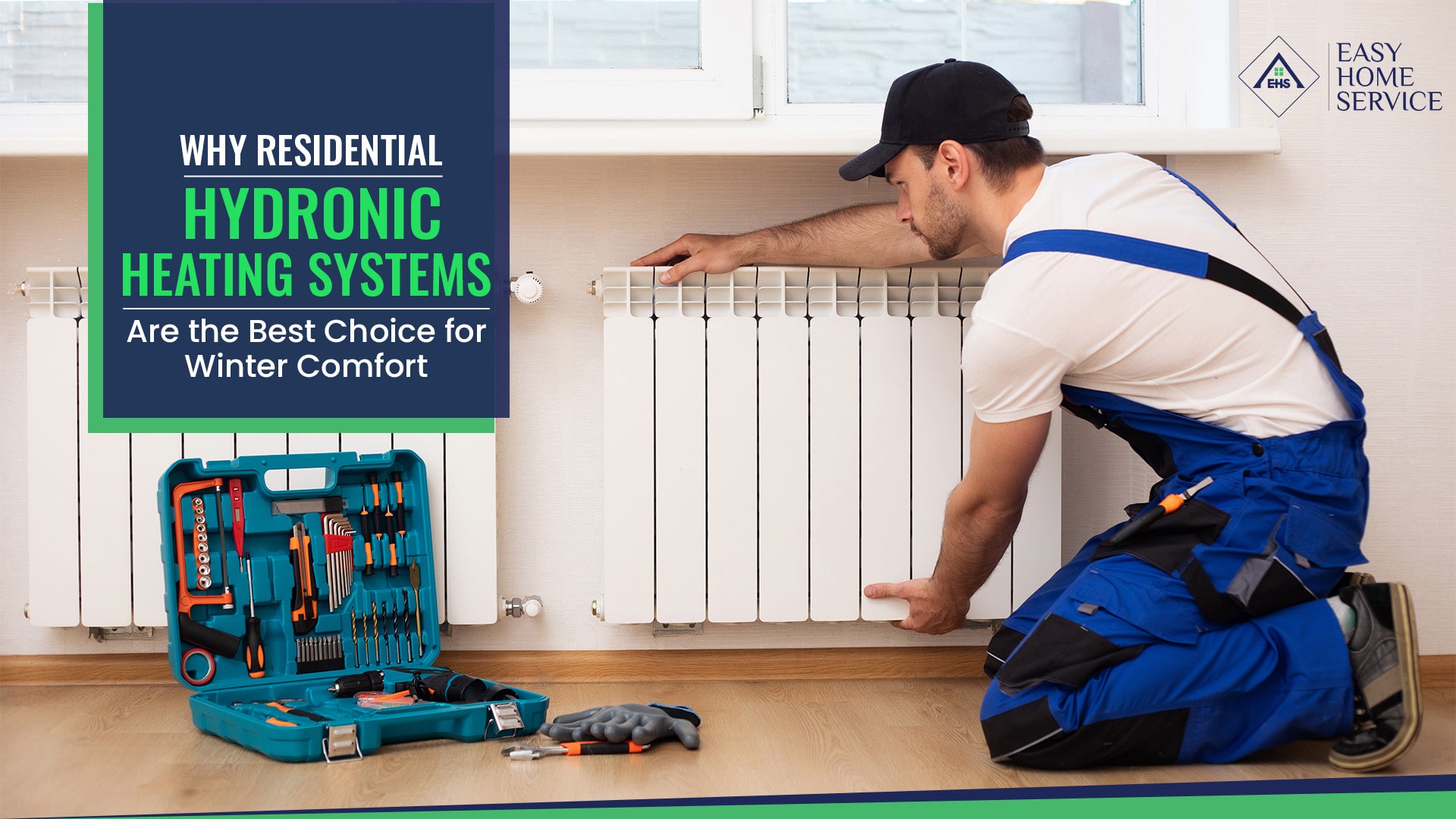
Let's face it- winter isn't just about cold temperatures, but also an entire new set of problems with heating in your home. Dry air blasts coming from vents, the irksome temperature fluctuation between rooms, and the terror of walking on the cold floors on a cold morning. If any of these sounds familiar, you'll appreciate the benefits of an indoor residential hydronic heating system can bring to your home.
Instead of pushing air through ducts, hydronic heating makes use of warm water to give you a consistent, even warmth that is more natural and comfortable. It's among the best winter heating solutions, particularly when you're sick of the drafts, noises, or dust that are bouncing all over. When you pair it with radiant heating for floors, the experience is incredibly comfortable because your floors are cozy, your spaces remain steady, and winters seem a lot less painful.
Hydronic heating systems offer an intelligent and quiet way to heat your home, using warm water rather than blasting air through vents to produce steady warmth in every room. Here's how it all comes together: the boiler heats the water, pumps distribute it throughout the system, and pipes transport it through floors, radiators or baseboards where it slowly releases warmth into each room - giving the feeling that your home is warming from within out without noise, dryness or sudden temperature swings that come from forced-air systems.
Are you suffering from cold floors, uneven heat distribution, and noisy vents in your home? A hydronic heating system offers gentle warmth throughout every room in your house to create cozy comfort all winter long. Here's how it transforms winter comfort:
Did You Know?
Residential hydronic heating systems can reduce energy bills by up to 30 % when compared with traditional forced-air systems. Not only does it offer even, cozy warmth across your home, but it works silently, improves indoor air quality, and pairs seamlessly with radiant floor heating for winter comfort.
Types of Hydronic Heating Systems
Hydronic heating systems provide one of the most reliable and comfortable ways to heat your home during winter, and the variety of types available allows for customization to any space or upgrade project. Knowing about all available winter home heating solutions helps make an informed decision on what's best.
1. Radiant Floor Heating:
As soon as you step on a warm floor on a cold day, radiant floor heating becomes clear. This option transforms your entire floor into a giant and gentle heater; warm water flows through PEX tubes installed under your floors to gradually spread warmth across them, providing comforting warmth from ground level upwards. Homeowners appreciate radiant floor heating systems because the warmth rises slowly from underneath without loud vents getting in their way; homeowners love them because it give even warmth throughout the house and work especially well during harsh winters.
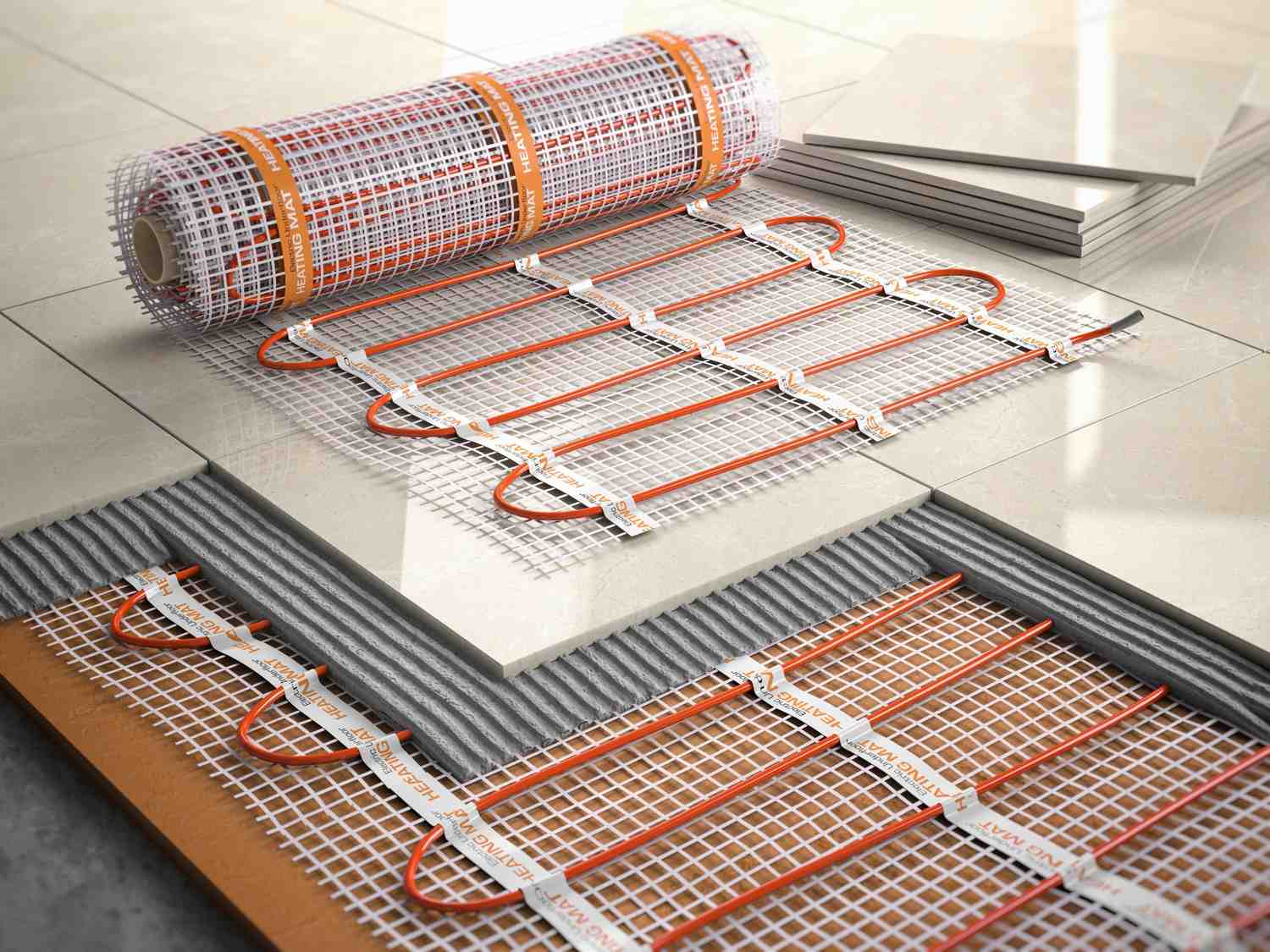
Hydronic heating systems for new homes are increasingly popular because they're efficient, hidden away, and luxurious in appearance.
2. Hydronic Baseboard Heaters:
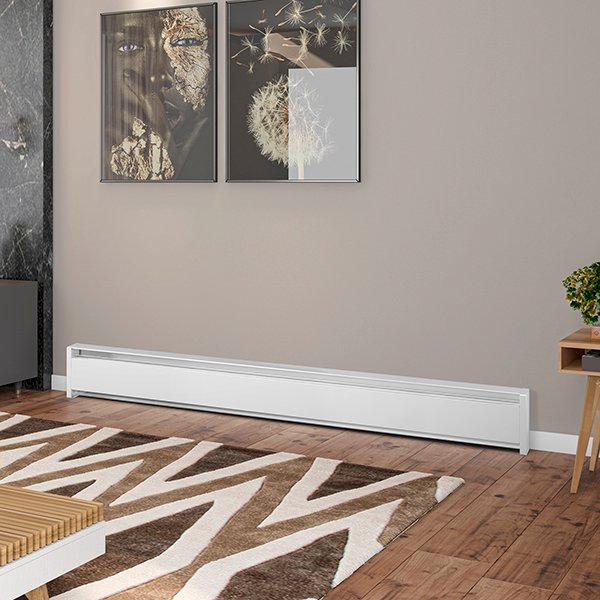
If you live in an older home, chances are good you have seen baseboard hydronic heaters lining the walls - these heaters use hot water pumped through metal baseboard units to warm air that enters from below and rises naturally, without needing a fan or blower for heating purposes. They offer steady warmth without dust attraction. Hydronic Baseboard heaters have proven extremely popular among homeowners as an inexpensive upgrade with minimal maintenance requirements and great zoned heating potential - an ideal combination of comfort and cost efficiency for zoned heating needs in homes requiring zoned heating zones or zoned heating purposes. They provide consistent warmth without fan or blower needed. They offer steady warmth without fan or fan needed, creating steady warmth without blower or fan needed. Hydronic Baseboard heaters are popular among home owners as an affordable upgrade with minimal maintenance requirements needed, ideal for zoned heating zones that need both comfort and cost effectiveness simultaneously!
3. Radiators:
Radiators have come a long way since being seen as chunky units from your childhood days, boasting slim and stylish panels which still manage to provide impressive heat retention capabilities. Cast iron radiators continue to outdo all others when it comes to heat retention capabilities. Hot water enters a radiator, heat rises through its metal coils, warming people and objects directly versus only warming air; with great zonal control capabilities and faster response than floor heat systems, today's radiators are reliable sources of warmth during extreme winter conditions.
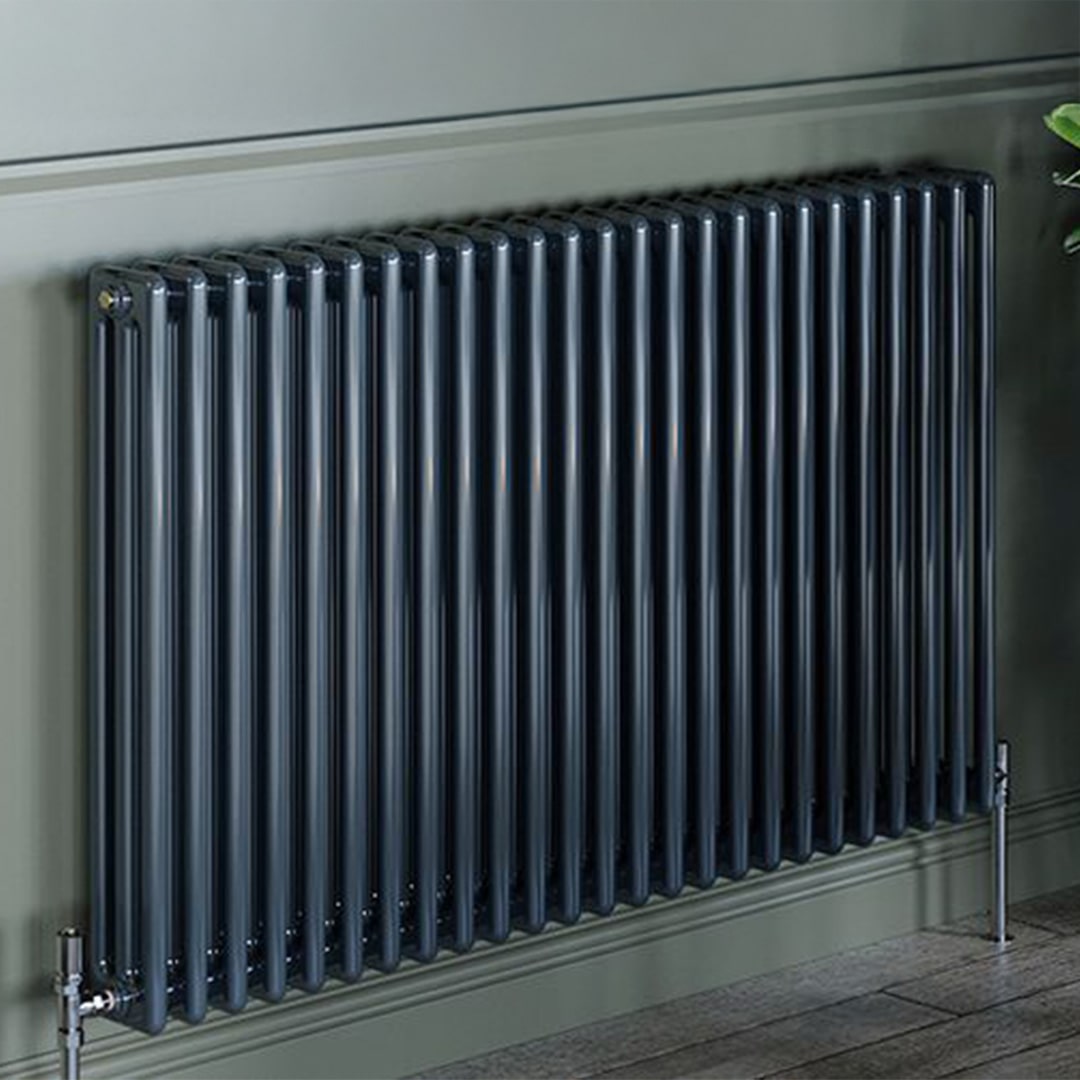
Homeowners looking for powerful heating without touching their floors will find this unit ideal.
4. Hydronic Air Handlers:
This kind of home hydronic heating is still utilizing the existing ducts, and is ideal for homes that already have an HVAC system centrally located. It is very simple to operate since in this model the boiler heats up water, a coil within the air handler gets heated and a fan blasts warm air through the ducts into the house. The Hydronic Air Handlers are perfect for Homes constructed with ductwork, Homes People upgrading from a gas furnace, and for service providers that offer hybrid solutions.
It's a sensible middle ground between pure hydronics and forced-air systems.
5. Hydronic Wall & Ceiling Panels:
It is not everyone's desire to have the floor opened or baseboards put in. In these cases, radiant ceiling or wall panels can be used to great effect. To make your walls and ceiling panels water-based, PEX tubing is installed on ceilings or behind walls. The surfaces heat up and radiate heat through the space as if the sun is warming anything they touch. It is ideal for retrofits, rooms that have large furniture, and for houses where floor heating does not make sense.
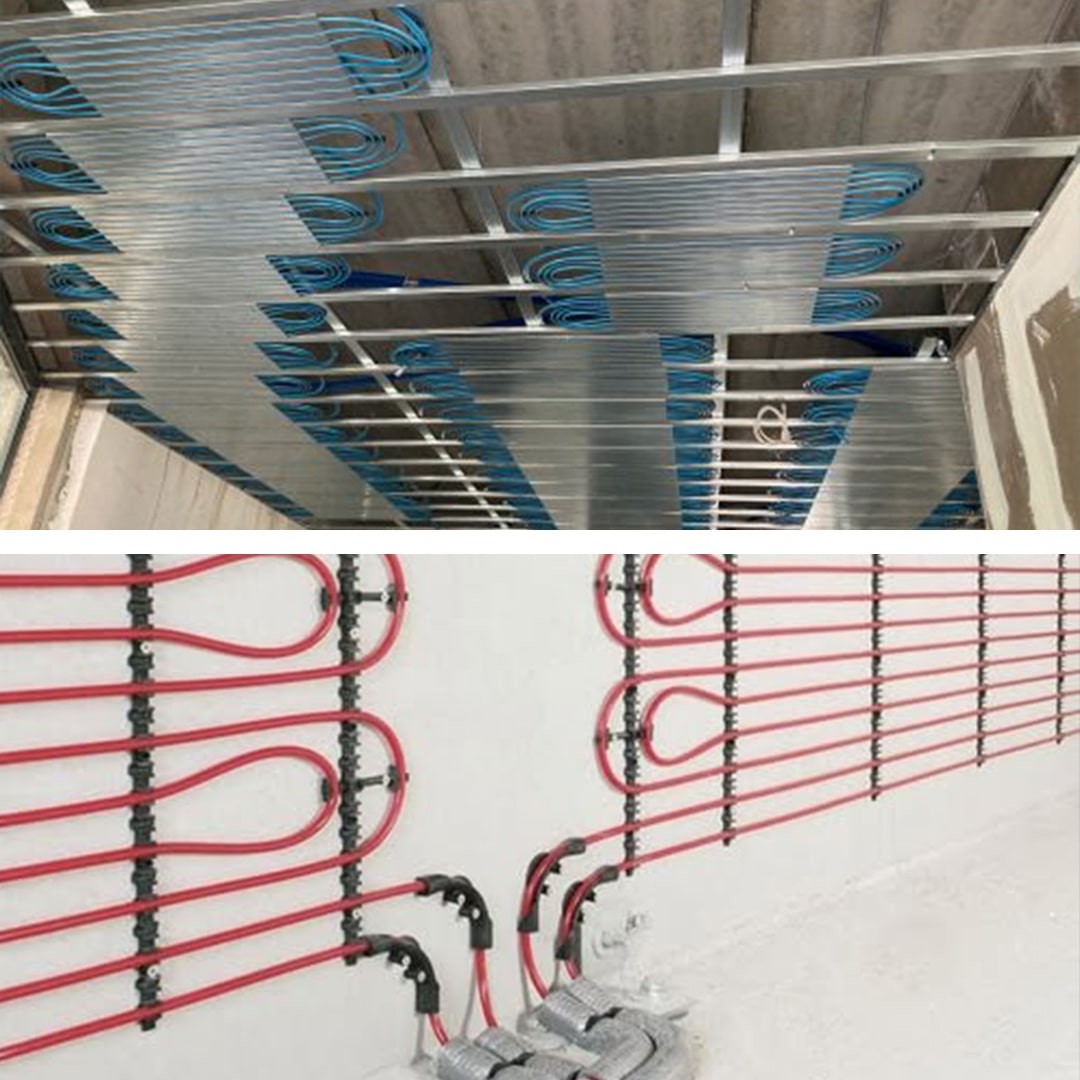
An innovative option that many do not even realize exists.
6. Hydronic Slab Heating for Basements & Garages:
It's a special kind that uses radiant heating that is designed specifically for concrete slabs, and is popular in regions with colder temperatures. In this type of system, warm water flows through the tubes that are embedded into the slab of concrete, slowly warming the whole surface. The slab radiates the heat upwards, ensuring that the room evenly and naturally warm. Slab heating is fantastic during winter because Concrete generally feels cold when it is cold, but with warm water flowing beneath the slab, it turns into a soft source of heat. It keeps garages, basements, and even ground-floor rooms warm, keeps floors from freezing, and provides a constant temperature that can last for hours, even on the coldest of days.
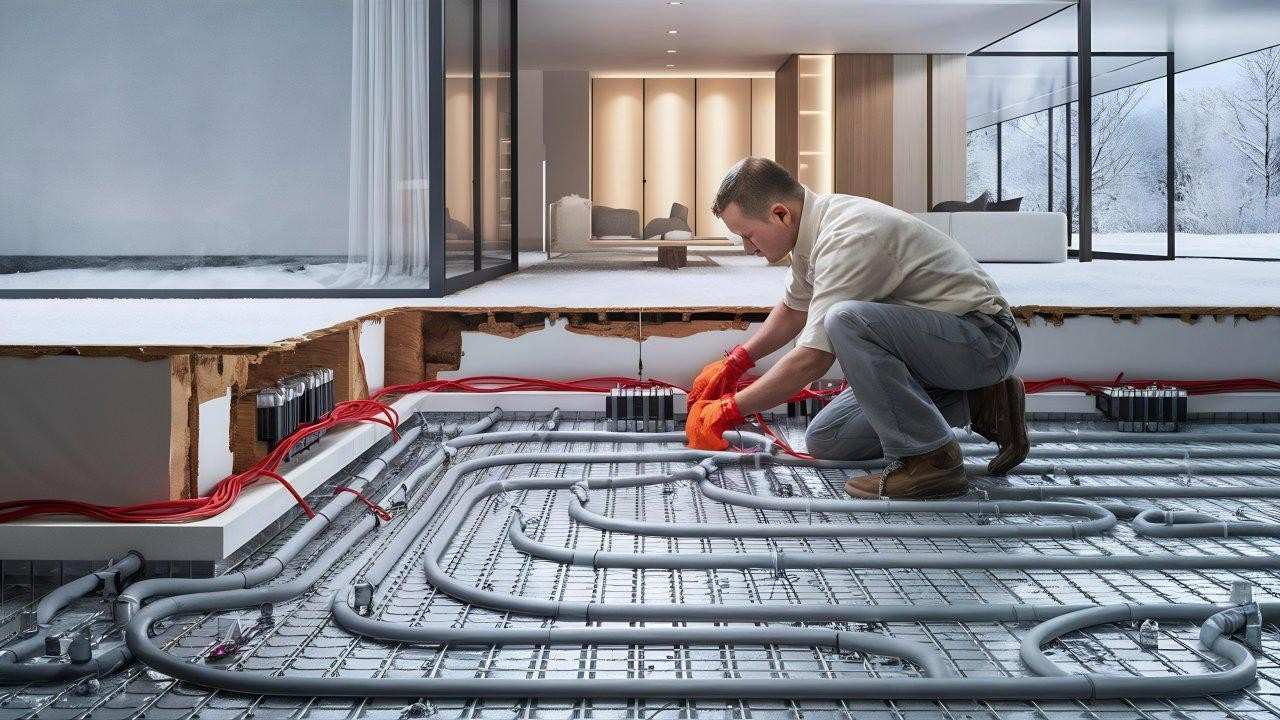
7. Outdoor Snow-Melt Hydronic Systems:
Although they are not suitable to be use indoors, snow melt systems are very useful in cold states such as Vermont, Maine, Colorado, Michigan, Alaska, New York, and New Hampshire. In these heating systems, PEX tubing is placed under the sidewalks, driveways, and steps, so it melts snow in a controlled manner. This is extremely beneficial to the outdoor area since it stops slips, shields concrete from damage during winter, and once installed, there's no need to rake the snow.
8. Central or District Hydronic Systems:
In the case of heating larger structures or several homes in one location, Hydronic systems can take efficiency to a new level. Instead of each device having its own configuration, the boiler can handle the heating requirements for all. In these hydronic systems, a one central boiler heats water, then pumps it through pipe insulation to every unit. Every home gets steady, controlled heating without having to have its own heating system. This is very effective for large buildings and requires extremely low maintenance requirements for homeowners. They are commonly used in condominiums, apartments, and commercial buildings, and apartments.
Uneven Heating in Rooms:
Rooms heat inconsistently when air gets trapped in the pipes or the circulator pump weakens, blocking hot water flow. If bleeding the system doesn’t fix it, a technician should rebalance and inspect the pump.
Boiler Short-Cycling:
A boiler that keeps restarting means turning On & Off Frequently usually has a dirty heat exchanger, bad thermostat settings, or is oversized for the home.
This constant cycling strains the system and needs quick professional tuning.
Water Leaks Around Boiler or Radiators
Leaks appear when seals wear out, pipes corrode, or pressure runs too high. Even small drips can cause rust and mold, so a pro should inspect it before it spreads. Any visible leak should be inspected immediately to replace faulty components and prevent bigger problems.
Need a trusted professional?
Don’t wait for minor issues to become costly. Easy Home Service connects you with local, reliable hydronic heating experts for repairs, maintenance, and tune-ups
Noisy Pipes or Pump
Unusual sounds happen when air enters the lines, mineral buildup forms, or the pump runs at the wrong speed. Noise is the first warning sign of mechanical issues. Persistent gurgling, banging, or vibrations should be checked by a technician to avoid long-term damage.
Radiators Not Heating Fully
Cold patches form when sludge settles at the bottom or valves get blocked, reducing water flow. This usually requires a professional power flush to restore proper heating.
Low Boiler Pressure
Pressure drops due to leaks, recently bled radiators, or a faulty expansion tank. Low pressure makes the boiler inefficient and can shut the system down entirely if not corrected. If topping up doesn’t restore pressure, a technician can identify the root cause and fix it safely.
Thermostat Not Responding Properly
Temperature issues occur when the thermostat is outdated, poorly placed, or miswired. If recalibrating doesn’t help, a technician should check for sensor or wiring faults.
Weak Water Circulation / Pump Failure
Poor heat distribution happens when the pump motor wears out, the impeller gets blocked, or the speed is set incorrectly. Without proper circulation, the whole system struggles to heat.
Boiler Not Firing or Locking Out
A boiler that shuts down often has ignition problems, gas supply issues, or an overheating safety trigger. Lockouts need professional diagnostics to prevent repeated breakdowns.
Sudden Rise in Energy Bills
A spike in heating costs usually points to an inefficient boiler, pipe insulation failure, or scaling in the heat exchanger. A tune-up restores performance and brings bills back to normal.
Keeping your home cozy all winter doesn’t just happen on its own—your residential hydronic heating system needs a little love too. From traditional radiators to radiant floor heating and large central systems, simple maintenance can make a huge difference. A few easy checks and seasonal tune-ups keep your system running efficiently, prevent unexpected breakdowns, and save on energy bills. Think of it as a little TLC that keeps your home warm, comfortable, and hassle-free all season long!
Regularly Bleed Radiators and Loops
Whether you have traditional radiators, radiant floor heating, or a central system, trapped air can block water flow. Bleeding radiators or loops once or twice per season keeps heat circulating evenly.
Monitor Boiler Pressure and Water Levels
Low or fluctuating pressure affects all systems. Check your boiler gauge monthly, top up water if needed, and watch for leaks that could indicate bigger issues.
Inspect for Leaks, Corrosion, and Worn Components
Leaks can occur in pipes, valves, or joints in any system type. Early detection prevents damage, reduces energy loss, and ensures hydronic heating in winter works efficiently.
Flush the System Periodically
Sludge, sediment, or mineral buildup can affect all hydronic systems. A professional power flush keeps pipes, radiators, and boilers clean, improving efficiency and prolonging lifespan.
Annual Boiler & Pump Service
Every system, whether slab, radiator, or central, benefits from yearly inspections. Technicians check boilers, pumps, valves, and thermostats to prevent costly breakdowns.
Keep Heat Emitters Clear
Radiators, baseboards, and floors should remain unblocked. Avoid placing rugs, furniture, or storage on radiant floor heating surfaces to maintain proper heat distribution.
Check Thermostat Accuracy
Ensure thermostats respond correctly and are positioned away from drafts or direct sunlight. Consider a programmable thermostat for all home hydronic heating setups to save energy and maintain comfort.
Professional Inspections for Central or District Systems
Multi-unit systems need regular professional checks to ensure even heating across all units. Routine maintenance helps avoid widespread issues and ensures tenant comfort.
Upgrade to Residential Hydronic Heating Systems
Experience unmatched winter comfort with hydronic heating. Easy Home Service connects you with local certified heating experts who help you choose, install, and maintain efficient hot-water heating systems.
As winters get colder and homeowners demand more comfort, efficiency, and clean indoor air, residential hydronic heating systems are becoming the top choice for modern homes. From radiant floor heating to traditional radiators and multi-unit central systems, hydronic solutions provide even, gentle warmth, lower energy bills, and a quieter, healthier indoor environment. With proper maintenance and professional support, these systems are a long-term investment in comfort, efficiency, and peace of mind. Whether you’re upgrading an old system or planning a new installation, embracing home hydronic heating means stepping into a warmer, cozier, and smarter winter.
Suggested Reads
Find Top Rated Service Providers
We help you find top service providers and compare quotes.









-7506.jpg)
Leave a Comment: