Your Go-To for Complete Home Solutions and Trusted Excellence
Your Go-To for Complete Home Solutions and Trusted Excellence
Solar

By Admin,
May 20, 2025


It's a smart investment saving on electricity costs, increasing the value of a home, and contributing to making the world a greener place. But suppose your system isn't delivering the energy savings you were promised?
If you’re a homeowner or small business owner noticing underperformance from your solar setup, you're not alone. There are a few common issues that can affect solar efficiency, and addressing them early can help you get the most out of your investment.
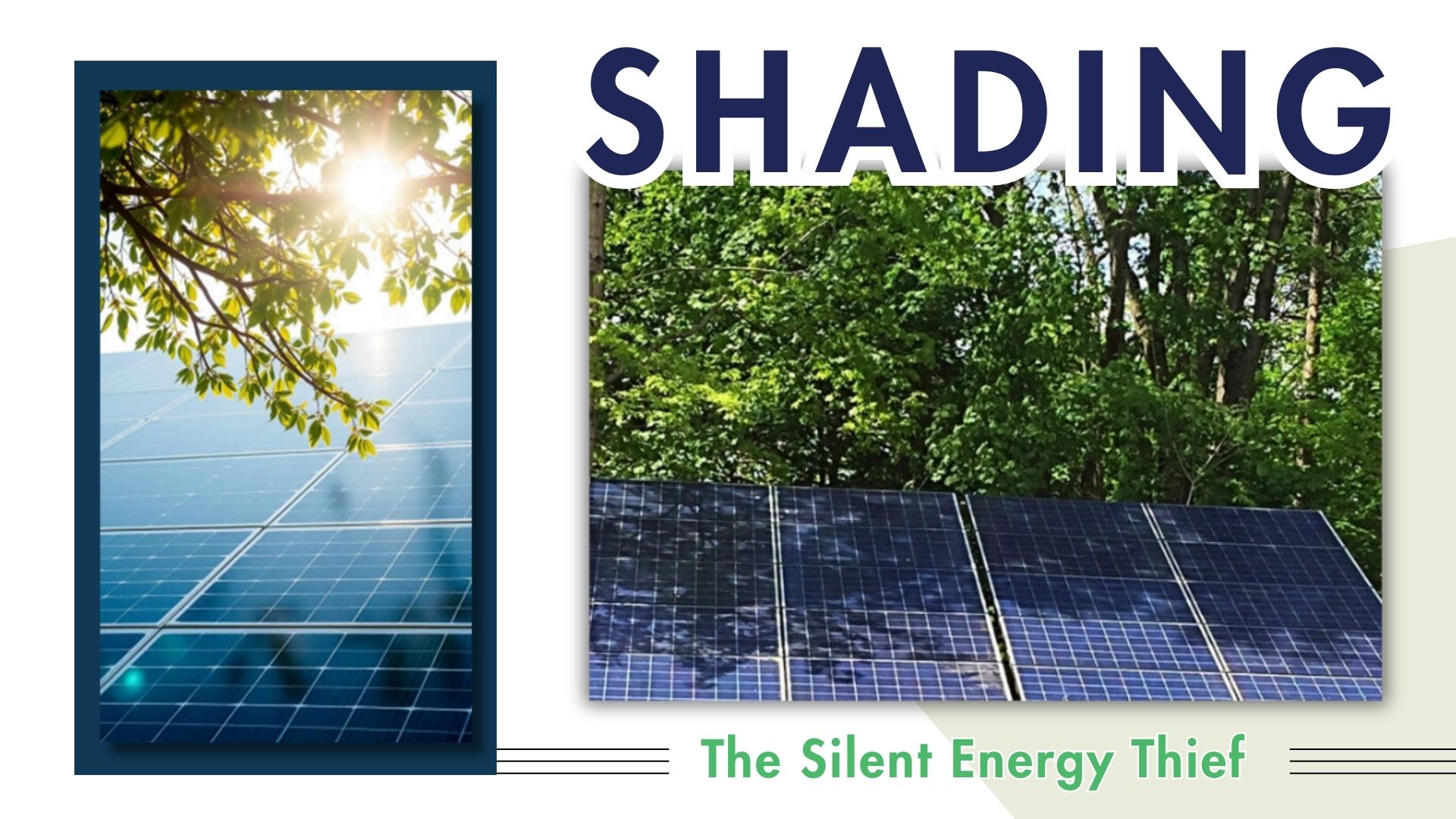
Even the partial shadows of nearby trees, chimneys, or buildings can slice the production of your solar panels in half. Because most systems are wired in series which connecting solar panel to the battery, if one panel is shaded, it can drag down the performance of the entire arrayjust like a kink in a garden hose reducing water flow.
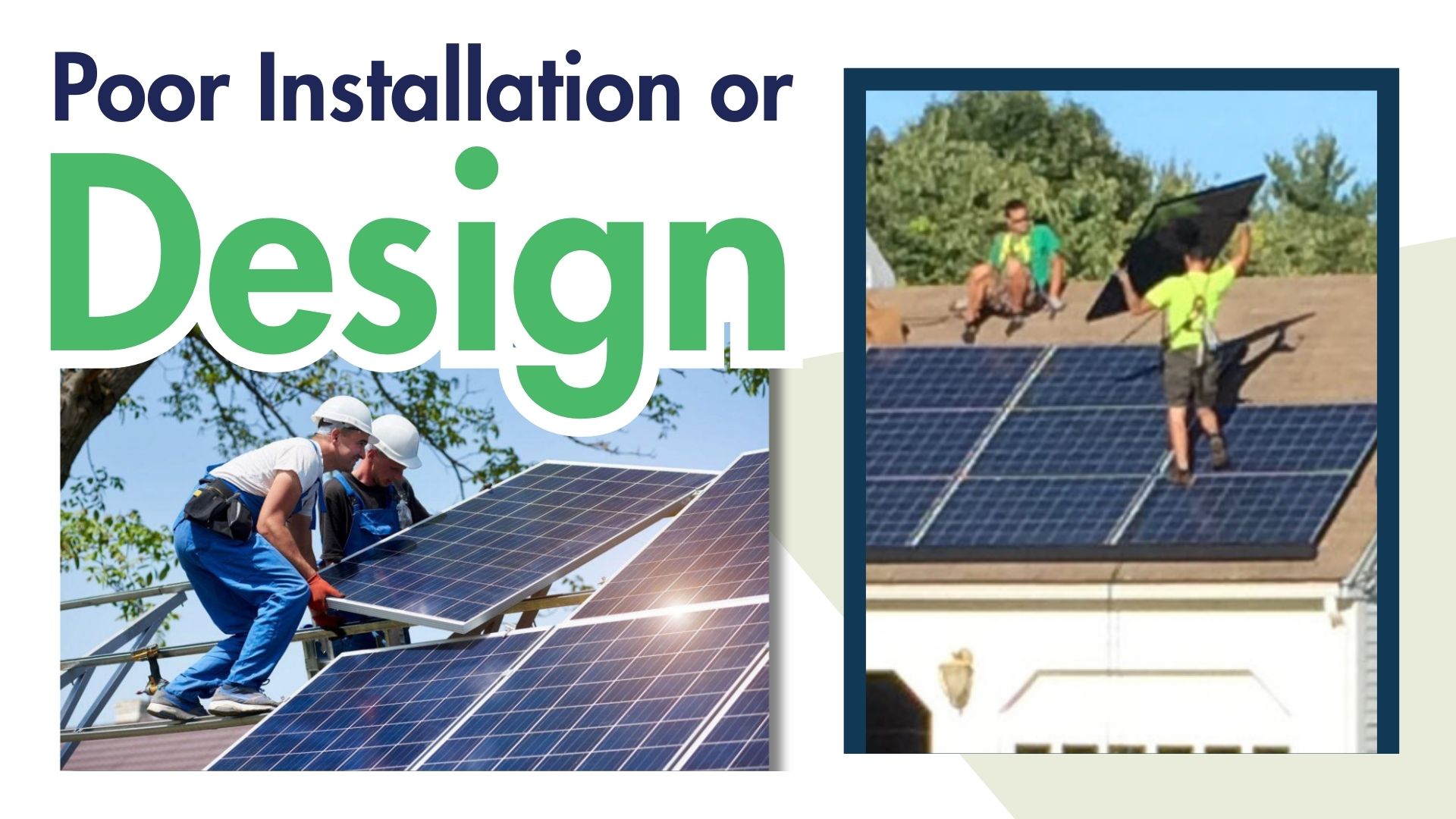
Performance of solar panels starts with proper planning and installation. In case you have had a poor installation or an installation that was not taking your home solar exposure and energy needs in mind, you may be facing built-in inefficiencies.
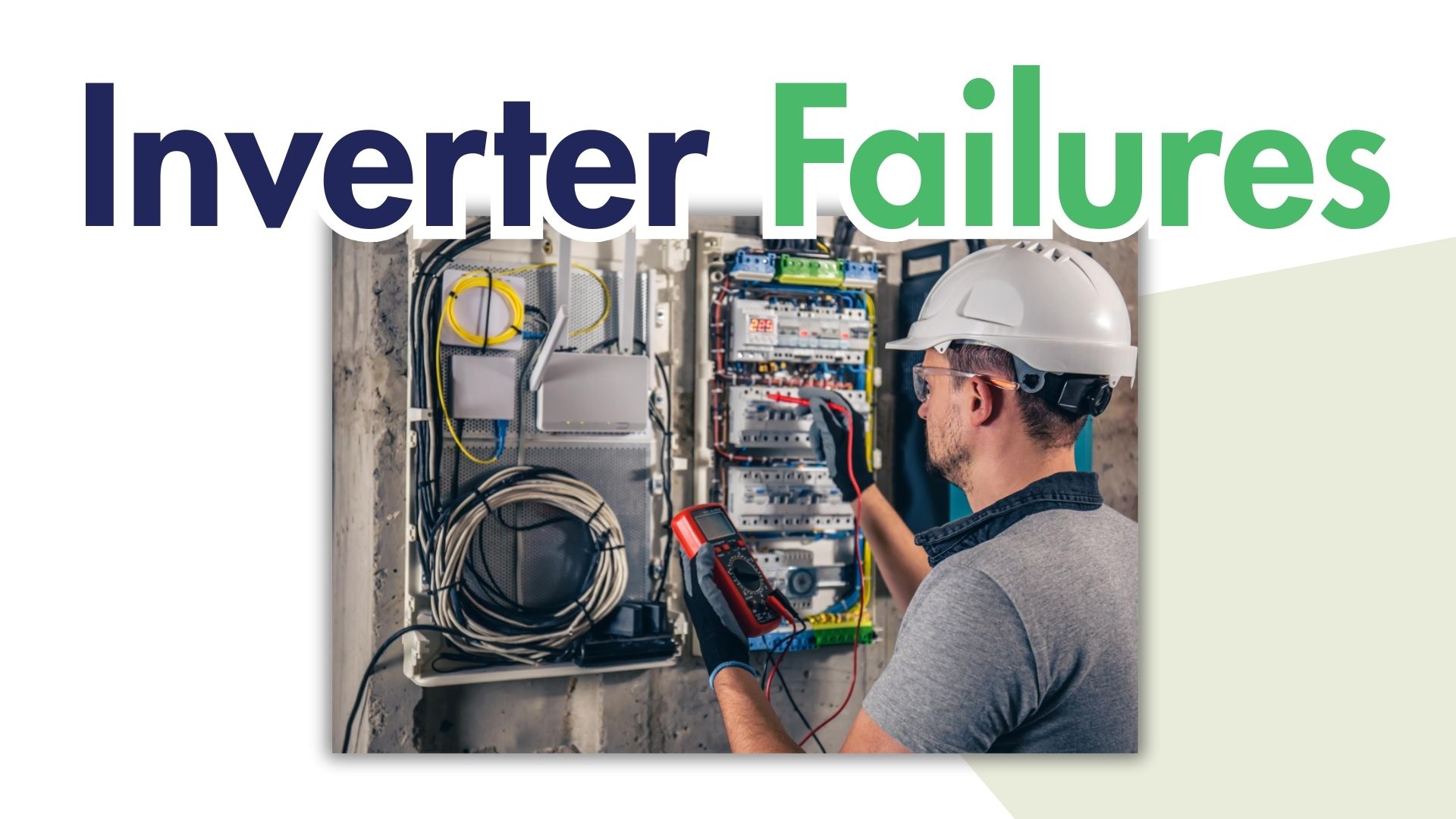
Your solar panels generate DC (direct current) electricity, which your home requires AC (alternating current). It is the inverter that does the conversion so that the energy is usable for you to consume or store. When your inverter is not working optimally, the return from your entire system suffersthough your panels themselves might be working fine.
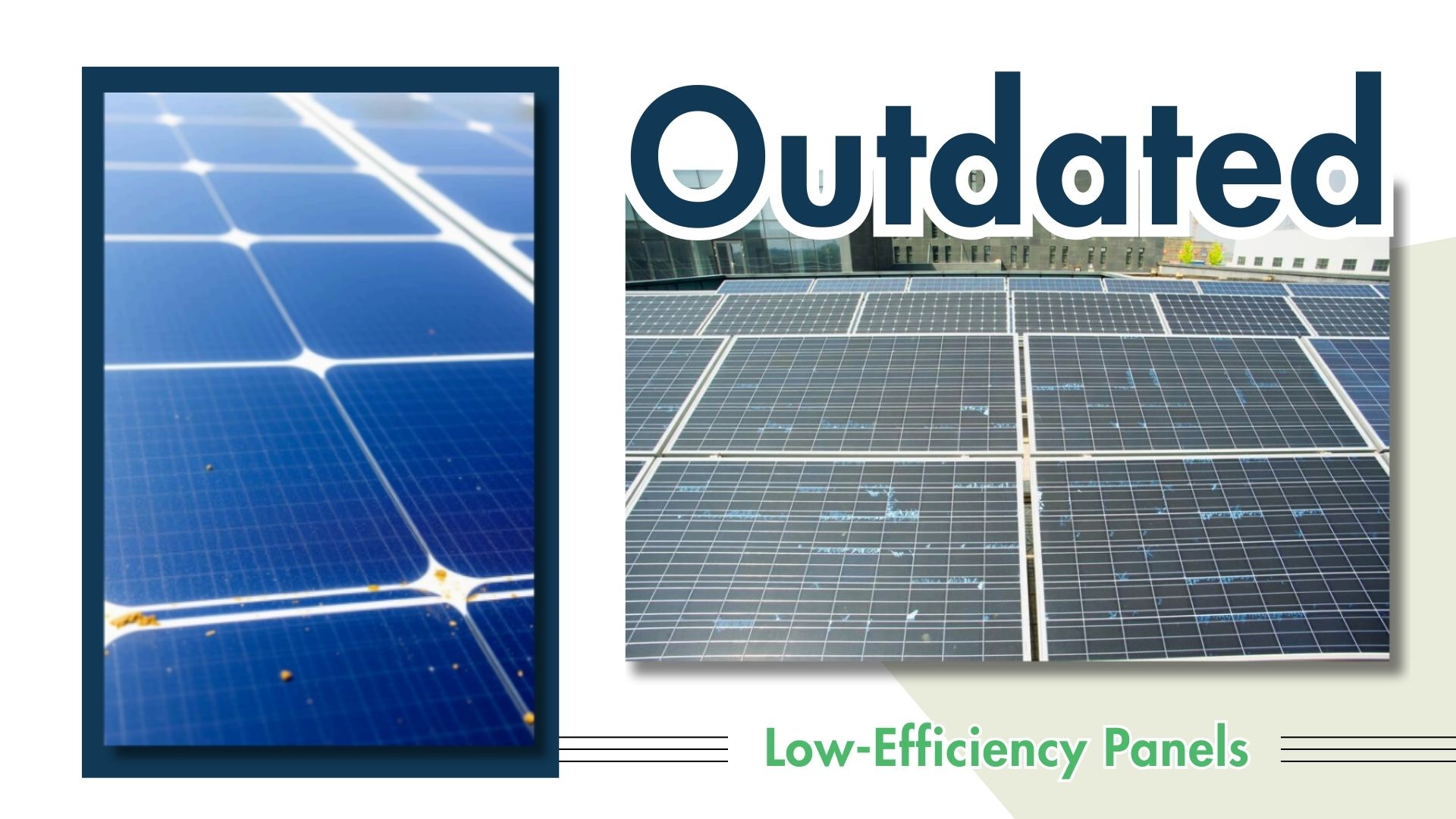
If your solar panels were installed more than 10 years ago, they might not meet current performance standards. Even good-quality panels degrade over time, usually losing 0.5 -- 1% per annum. Low-quality panels will degrade faster.
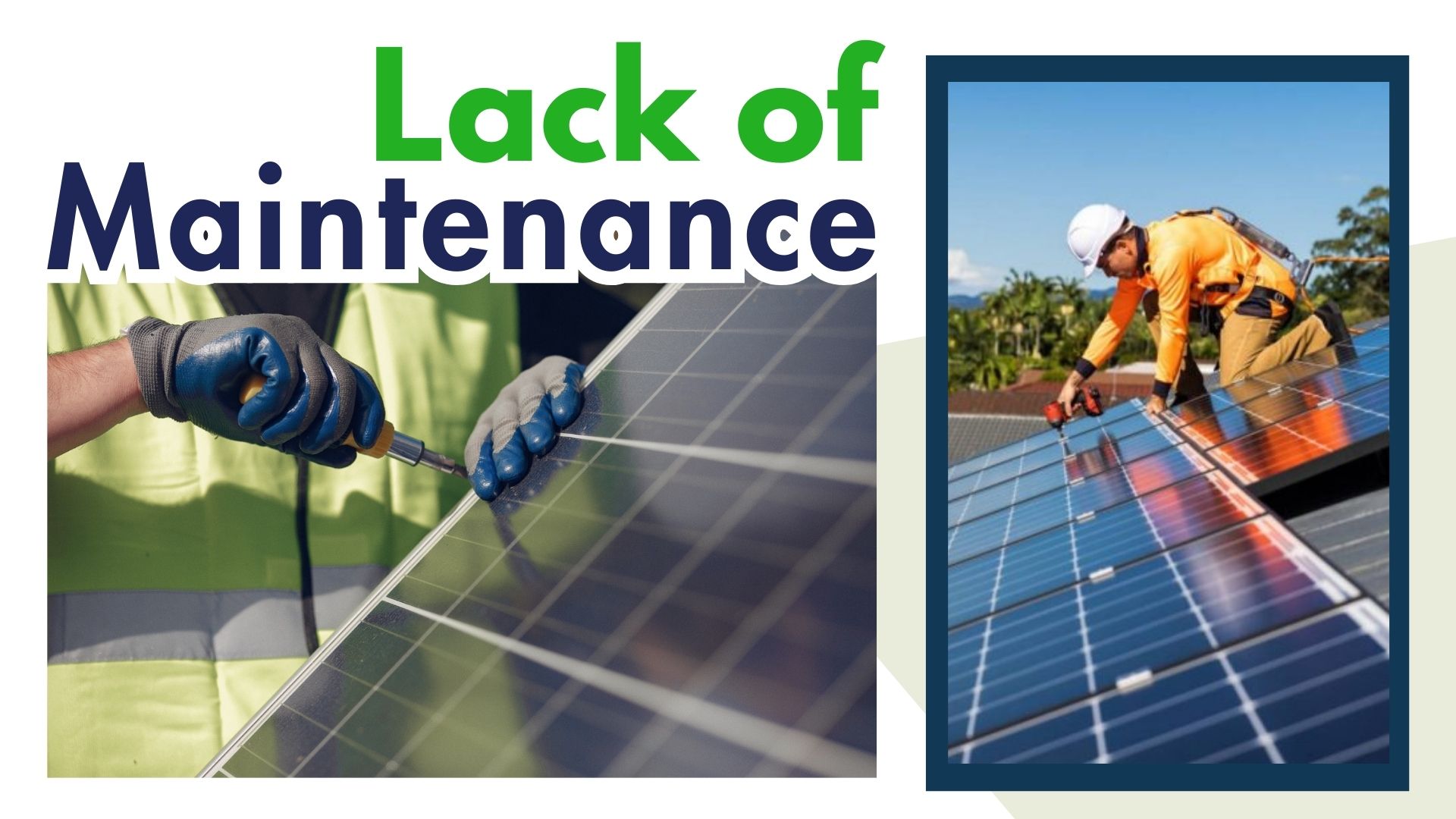
Dust, pollens, bird droppings, and litter can deposit a thin layer that reduces the absorption of sunlight. Soiling can reduce performance by 10–20% over time.
Installing solar panels is a significant step toward energy independence, environmental sustainability, and long-term cost savings. For many U.S. homeowners, going solar is a wise financial investment with the promise of lower utility bills. However, some homeowners are surprised to see their energy bills remain highor even increaseafter making the switch.
If this sounds familiar, you’re not alone. Several common factors can limit your savings or cause unexpected energy costs after going solar. The good news is that many of these issues can be identified and resolved with simple strategies.
Below are five reasons your energy bills may still be higher than expectedand how to address them effectively.
Start by monitoring your electricity consumption by your utility company or a home energy monitor smart device. The devices provide actual-time information for your daily load, allowing you to identify which areas can lower usage. Run heavy-load equipment such as washing machines, dishwashers, and dryers during the daylight hours to enhance the utilization of solar output.
Life changes, and so do energy requirements. If you've just added a new family member, bought an electric vehicle (EV), put in a hot tub, or built a home office, any one of these can significantly boost your home electricity load.
For example charging an EV on a regular basis can add hundreds of kilowatt-hours to your monthly consumptionmuch more than most residential solar systems are typically sized to manage.
If you have experienced a lifestyle change, you might want to look at your current energy usage versus your solar system's ability. You can take advantage of increasing your solar array or adding a solar battery to bank extra power for night use or for peak demand hours.
Going solar doesn't completely eliminate your relationship with the utility company. Most homeowners remain connected to the grid and continue to receive monthly statements. Increasingly, utilities across the U.S. are implementing Time-of-Use (TOU) rate structures, where electricity costs more during peak hourstypically late afternoons and early evenings.
Additionally, utilities often raise their base rates annually or seasonally, which can impact your bill even if your energy usage stays the same.
Check your utility bill to determine if TOU rates are in effect. If they are, move energy-intensive activities (like EV charging, washing clothes, or using the dishwasher) to off-peak hoursgenerally midday when your solar array is generating at its best. A home battery may also be a great investment to store excess solar energy and use it when rates are highest.
Your solar panels may not be generating as well as they possibly can. Dust, pollen, leaves, bird droppings, or snow settling on them can decrease their efficiency. Gradually, even minor shading from the growth of trees or nearby buildings can affect performance. Moreover, devices such as inverters can deteriorate or fail with no apparent indication.
Regularly monitor your system’s performance using the monitoring platform provided by your installer. If your production is lower than expected, arrange for a professional cleaning and check. Most homeowners find an annual service call helpful to maximize panel performance.
Consider having a professional home energy audit performed. Many local utilities or energy companies offer them for free or at a low cost.The audit will indicate the points of energy loss and suggest specific upgrades including sealing air leaks, improving insulation, installing efficient lighting, and implementing smart thermostats.These small modifications can translate to big long-term savings.
Going solar is a great and environmentally conscious decisionbut it's not a "set it and forget it" proposition.To maximize the rewards of your investment, it's necessary to keep an eye on usage, keep your system in good repair, and keep your home as efficient as possible.
By taking these five proactive steps, U.S. homeowners can keep utility bills low, enhance their solar system value, and further minimize grid dependency.
Solar panels are a smart investment for homeowners looking to reduce energy bills and increase property value. But like any major home upgrade, solar energy systems require some level of upkeep. While maintenance is generally low, understanding the associated costs and how to manage them can help you protect your investment and ensure long-term savings
While the initial cost of installing a solar panel system is between $10,000 and $30,000, depending on the size and complexity of the system, federal and state incentives or financing are offered to many homeowners that reduce the initial expenses.
The good news? After they are installed, solar panels and accessories will generally last for 25 to 30 years and can significantly reduce or eliminate altogethermonthly power bills. Ultimately, savings accrue to much more than the cost. Maintenance does come into play in ensuring this return on investment, though.
Solar panels are supposed to be low maintenance, but they're not entirely hands-off. What are some common routine maintenance items homeowners need to know?
Solar panel maintenance cost depends on various factors:
On average, homeowners can expect to pay between $150 to $300 per year for basic cleaning and inspection services. Repairs or inverter replacements can add several hundred dollars more depending on the issue.
Reducing maintenance expenses starts with smart planning and routine care. Here are a few tips:
If your solar panels aren't paying off as you were led to believe, don't panic. The cause is often fixable. From shading and installation errors to inverter problems and old panels, there are numerous reasons to considerbut all with a solution.
A proactive strategyperiodic monitoring, planned inspections, and timely upgradescan help you protect your investment and continue reaping the rewards of clean, affordable energy.
At Easy Home Service, we assist homeowners throughout Maryland & USA , including cities like:
Baltimore, Columbia, Germantown, Frederick, Waldorf, Silver Spring, Ellicott City, Glen Burnie, Gaithersburg, Bethesda, Rockville, Dundalk and beyond in getting the most from their solar panel systems.
If you'd like to increase your system, install a battery, or make your home more efficient , we can assist you.
Find Top Rated Service Providers
We help you find top service providers and compare quotes.






-7506.jpg)
Leave a Comment: